Table of contents
Travel photography has never been more omnipresent, and in 2026, algorithm-driven feeds reward the cleanest frames, the most saturated sunsets, and the most repeatable poses, yet many travelers are quietly pivoting away from “just seeing” and toward “doing”. The shift is measurable, from the growth of small-group workshops to the boom in culinary and cultural classes, and it reshapes what ends up behind the camera lens, because immersive activities tend to produce the moments people remember, not merely the images they post.
What makes a trip unforgettable?
Here is the uncomfortable truth for anyone chasing the perfect shot: the photo rarely captures the part that lingers. The best travel memories usually arrive when the itinerary loosens, when strangers become guides, and when you are slightly out of your depth, focused on a task rather than on framing a scene. That is why immersive activities, from learning regional cooking to joining a local craft workshop, are gaining ground across travel markets, and why they are increasingly marketed as “experiences” rather than add-ons, because they change how time is spent and how places are understood.
There is also a simple economic reality behind the trend. Traditional sightseeing concentrates value in a small set of landmarks, often at peak hours, while immersive activities distribute spending into neighborhoods, studios, small farms, kitchens, and independent cultural venues. Industry numbers illustrate the broader pull: experience-driven travel has been one of the strongest segments in tours and activities, and global marketplaces have long pointed to sustained demand for hands-on classes, tastings, and guided outings that are “small-group” or “private”. Even without a single universal dataset covering all operators, the signal repeats across multiple reports and earnings calls in the travel sector, namely that travelers pay for guided, participatory moments when they trust the storytelling, the logistics, and the access.
For the traveler, the return is not abstract. Participation forces attention, and attention creates memory. A street mural becomes more than a backdrop when you have heard the artist’s context, and a market becomes more than a color palette when you can identify what is seasonal, what is imported, and what is cooked at home. The camera still comes out, of course, but it is no longer the main objective; it becomes evidence of a lived sequence, not the goal in itself, and that subtle reversal is exactly what many frequent travelers say they have been missing in the era of hyper-curated travel content.
The camera follows the senses
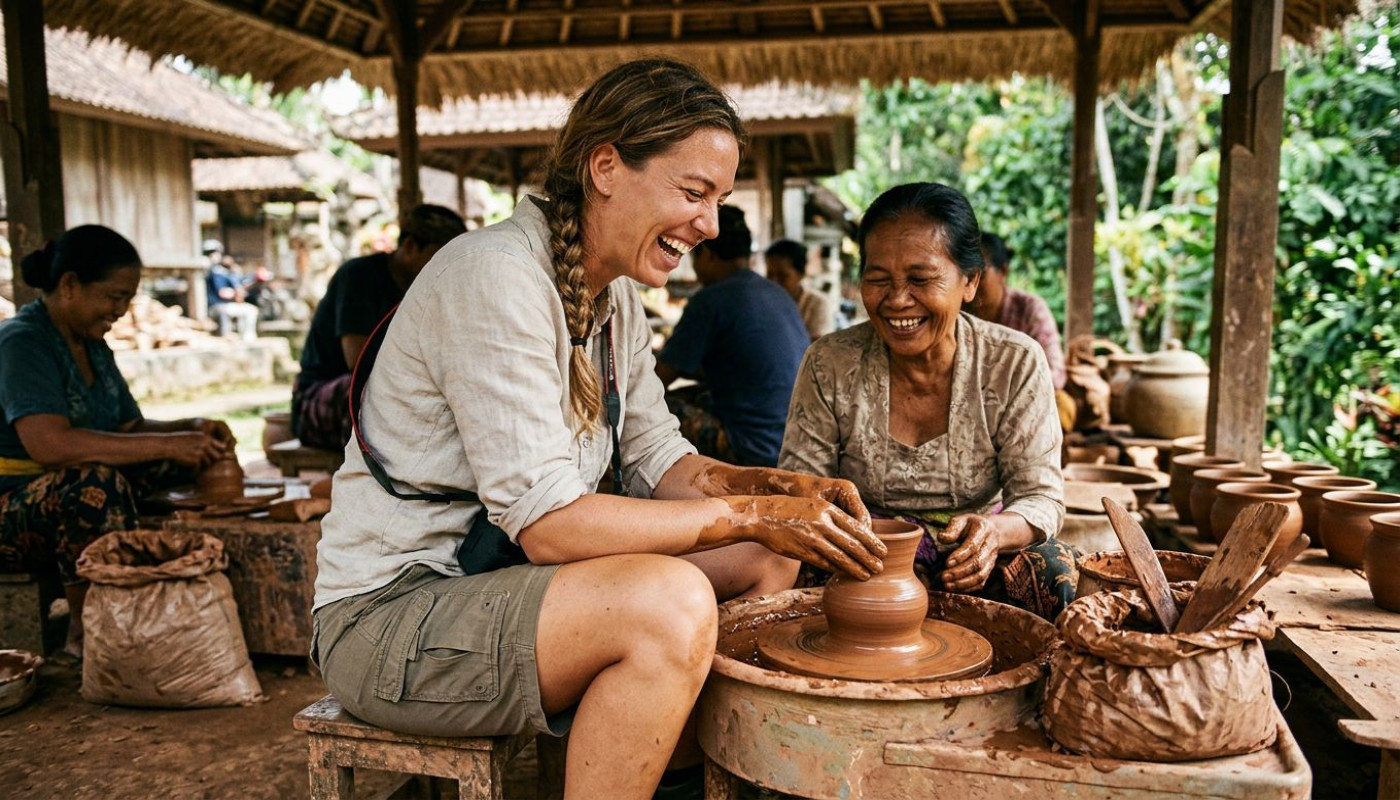
Immersive activities change the visual language of travel photos, because they give images a narrative spine. A portrait taken during a workshop carries different weight than one taken in a crowded square, and a close-up of hands shaping dough, carving wood, or assembling a bouquet tells a story that is immediately legible: someone is learning, concentrating, trying, and connecting. That readability matters online, where viewers decide in seconds whether an image feels staged or earned, and where the most compelling frames often include “process” rather than “pose”.
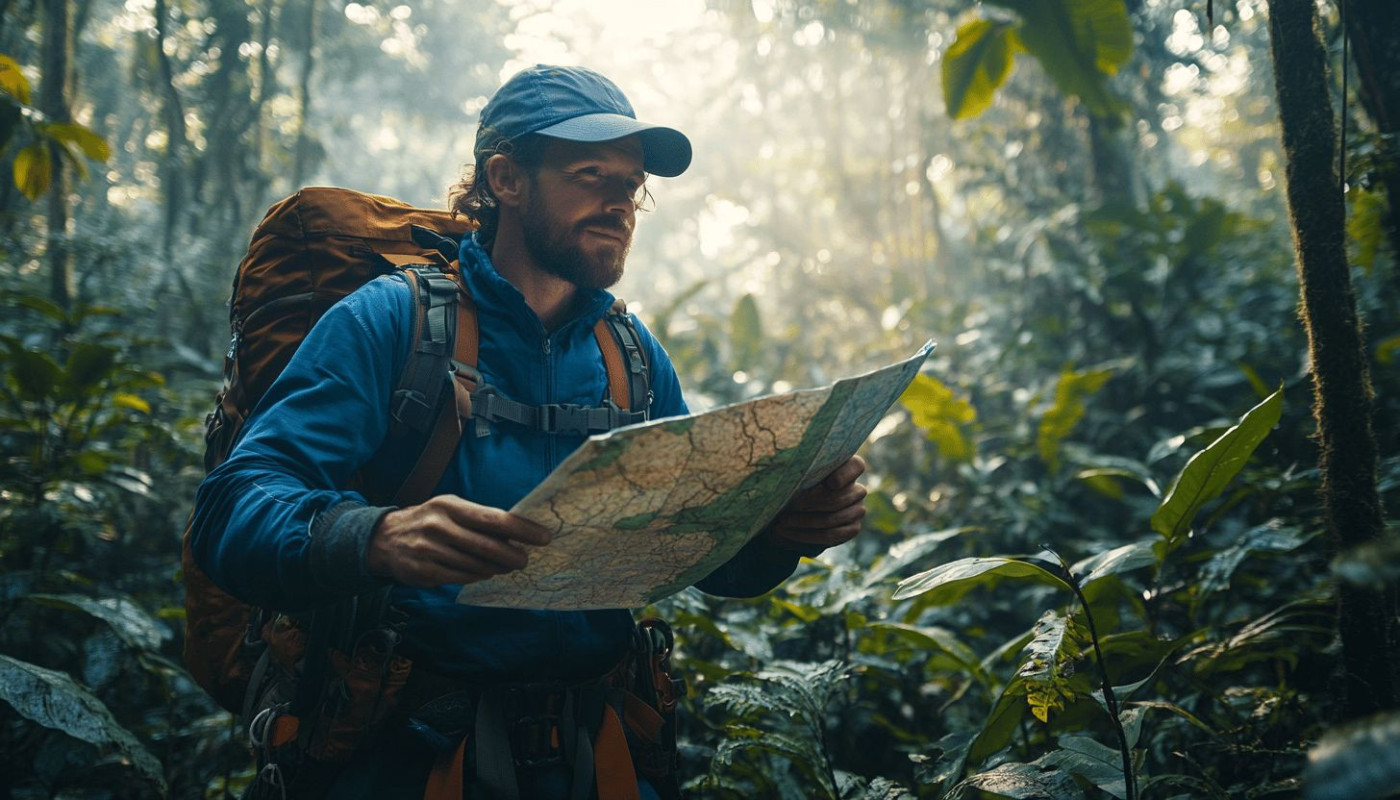
There is a technical side too, and it is part of why these activities translate so well to photography. Indoor classes and small venues push photographers to work with low light, mixed color temperatures, and motion, which forces more deliberate choices: faster lenses, higher ISO tolerance, and an eye for gesture. Outdoor excursions do something else, they slow the pace and extend the golden-hour window beyond a single viewpoint, because the subject becomes movement through a place, not arrival at a single landmark. In both cases, the photographer is rewarded for being present, for anticipating, and for capturing transitions, and those are precisely the skills that make travel images feel less like postcards and more like reportage.
Just as importantly, immersive activities generate what editors call “secondary moments”, the unplanned details around the main action. The quick exchange between a guide and a vendor, the handwritten notes on a recipe card, the tools worn smooth by use, the laughter after a mistake; these fragments are difficult to manufacture on a tight sightseeing loop. They are also more respectful, because they originate from a shared activity rather than from extracting an image from someone’s daily life. In a time when overtourism and the ethics of travel content are under scrutiny, that difference is not cosmetic, it is foundational.
Access, trust, and the local lens
Immersion is not only about novelty, it is about access, and access runs on trust. A well-run activity does more than “show”; it explains why a place works the way it does, who benefits from certain traditions, and how residents see the changes brought by tourism. When travelers step into a kitchen, a studio, or a community space, they often receive a version of the destination that is not available at the main attractions, and they do so in a setting where questions are welcomed, nuance is possible, and stereotypes can be challenged.
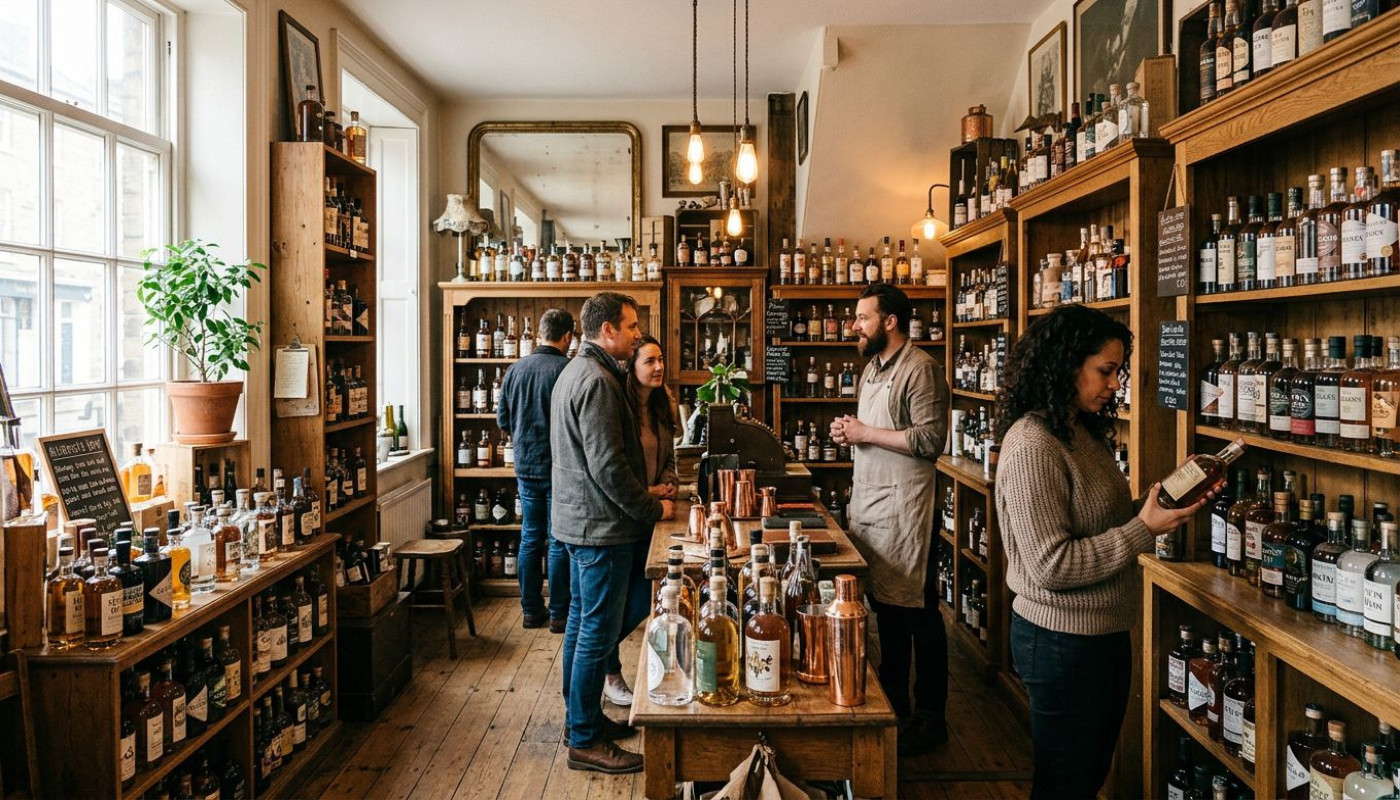
That is also why the best immersive offerings tend to be small, and why quality varies dramatically. A meaningful workshop has clear structure, competent facilitation, and a host who can contextualize without performing, while a shallow “experience” can feel like a photo-op with props. The difference shows up in reviews and repeat bookings, and it shapes the broader perception of a destination. For travelers trying to sort through the noise, curated platforms and specialist operators can reduce risk, especially when they provide transparent details about group size, inclusions, language, mobility constraints, and cancellation terms. Those who are planning a deeper visit to Québec, for example, often look for gateways that bundle cultural outings, tastings, and on-the-ground ideas, and resources such as https://www.quebec-spirit.com/ can help travelers map experiences to seasons, neighborhoods, and budgets without turning the trip into a checklist.
The local lens matters in another way: it changes what travelers value. Instead of ranking a destination by its “must-see” monuments alone, visitors begin to care about makers, ingredients, languages, and rituals, and that reorients spending toward people who maintain cultural continuity. Done well, immersive activities can also reduce pressure on crowded sites by giving travelers compelling alternatives, spreading demand across time and space. That is not a silver bullet for overtourism, but it is one of the few levers that can shift behavior without asking travelers to give up enjoyment, because it replaces the overfished photo spot with something genuinely engaging.
How to choose experiences worth your time
Start with a blunt question: will you do something, or just watch? Activities that require participation, even in small ways, are more likely to produce connection, and they also tend to justify their price, because you are paying for instruction, materials, preparation time, and a host’s expertise. Look for clear descriptions that spell out what you will learn, what you will make or taste, and how long each segment lasts, and be wary of vague promises of “authenticity” without specifics, because authenticity is not a label, it is a set of verifiable choices.
Then, read reviews like a reporter. Do people mention the host by name, describe what they learned, and reference details that sound unrepeatable, or do they only say it was “fun” and “nice”? Pay attention to logistical signals as well: group size caps, meeting points that are easy to reach, policies that respect weather and safety, and inclusions that match the activity, such as ingredients for a cooking class or equipment for an outdoor outing. If photography matters to you, ask about lighting, timing, and whether filming is welcomed; some intimate spaces prefer fewer cameras, and respecting that tends to improve the experience for everyone.
Finally, design your day like an editor shapes a story: build contrast. Pair one immersive activity with free wandering, so you can notice how your perception shifts after learning context, and leave buffer time, because the best conversations often happen after the formal end. If you want images that feel alive, plan at least one experience that puts you in motion, one that engages taste or touch, and one that introduces you to a resident’s perspective on change, because travel is not only scenery, it is a relationship with a place, and relationships need time, attention, and a willingness to be slightly inconvenient.
Turning inspiration into an itinerary
Budget for one paid activity per day, book early for small groups, and prioritize experiences with clear cancellation terms and seasonal guidance. In many destinations, local tourism bodies and provincial programs offer occasional discounts, cultural passes, or off-peak incentives; check eligibility before you pay. The best trips are planned, and left breathable.
On the same subject